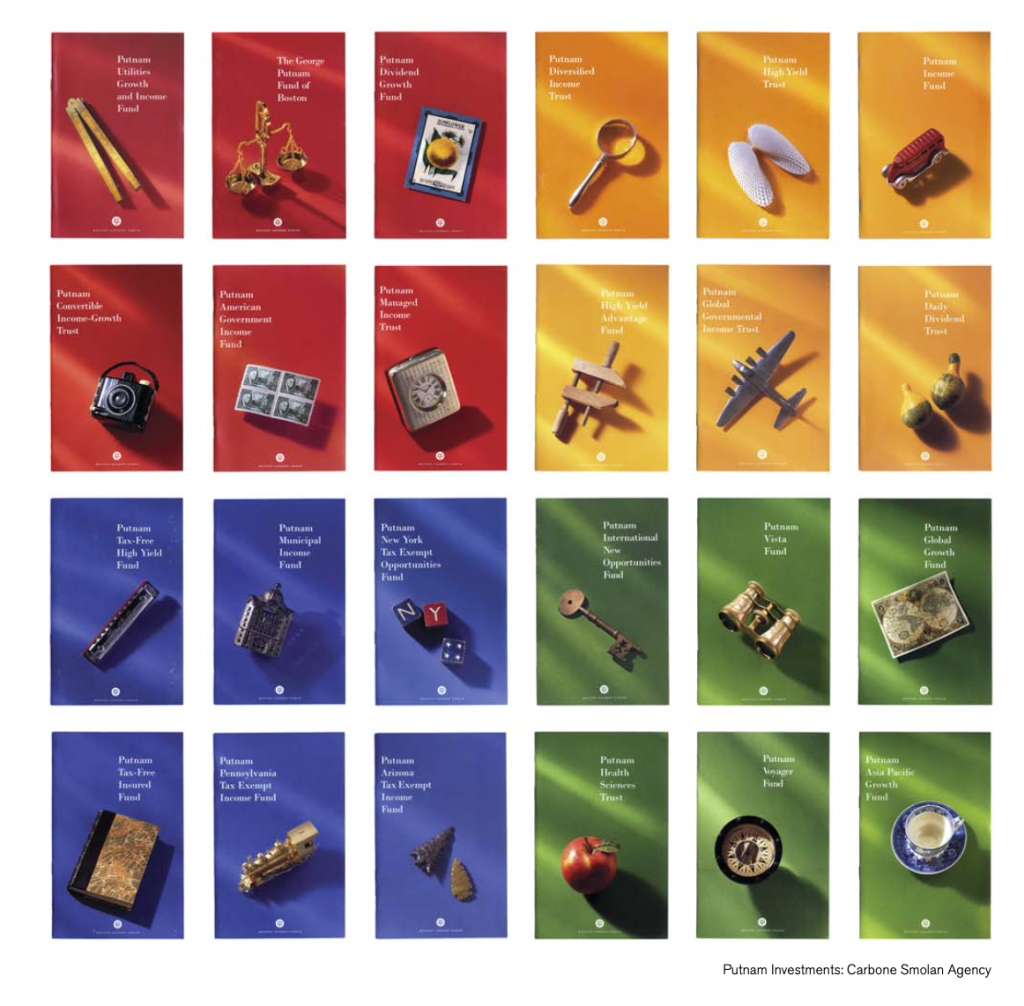
Phase 3 – Designing Identity: The logotype and signature of a brand are often the visual faces of a company. It allows the company to communicate through basic imagery and typography before a transaction even begins. This is why it is crucial to carefully design the signature to fit the company appropriately. Color, typography, and sound are other important aspects of a brand’s design to fully encompass the atmosphere the company would like to be represented as.
Phase 4 – Creating Touchpoints: Websites, Correspondence, and Business Cards are just some of the examples of a brand’s touch points. A website has become essential for any business to have in 2023. So much so that companies without a digital footprint often see significantly less business due to their lack of market reach. Additionally, when developing a website it is important that the design layout is responsive and is developed with usability in mind. Similarly collateral and correspondence bring the brand to life by conveying crucial information about the brand. Each touchpoint is an opportunity for the brand to be implemented creating a psychological connection to the information within.
Phase 5 – Managing Assets: Developing, Releasing, and Managing a brand design us an intricate process that includes many steps. It is important that the brand is consistent and cohesive throughout the company. A brand guideline book or toolkit can be used as a resource for communications team members to understand how to correctly use the company branding.
Case Study – Amazon: Amazon’s branding was an intentional and intricate process. It was important to incorporate a mark that could develop a personality for the brand while developing easy recognition as well. The “arrow” saying that amazon sells everything from a to z with its friendly and unique design helped bring approachability and recognizability to the brand’s design and has remained ever since.
 Marc Gonzalez