
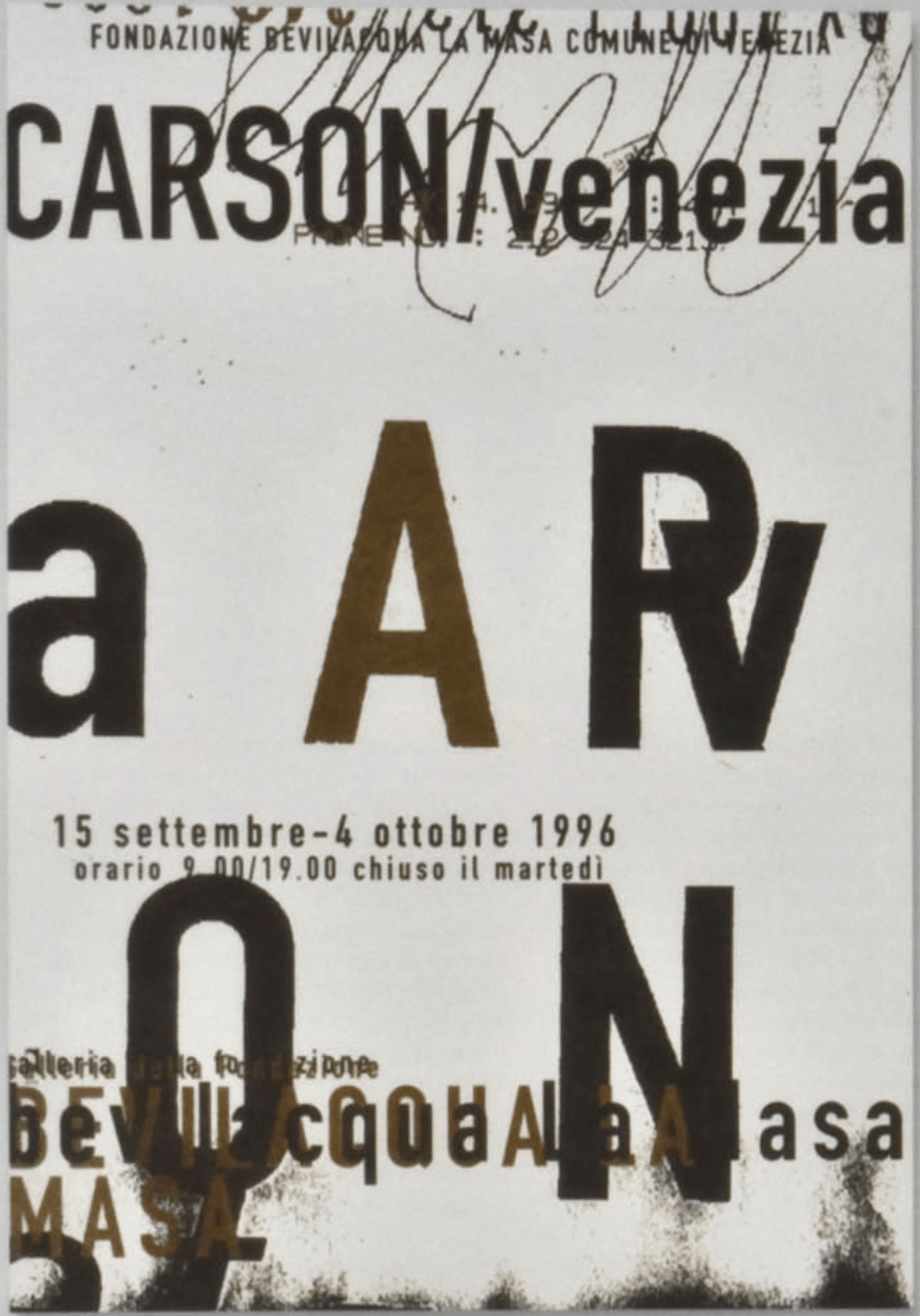
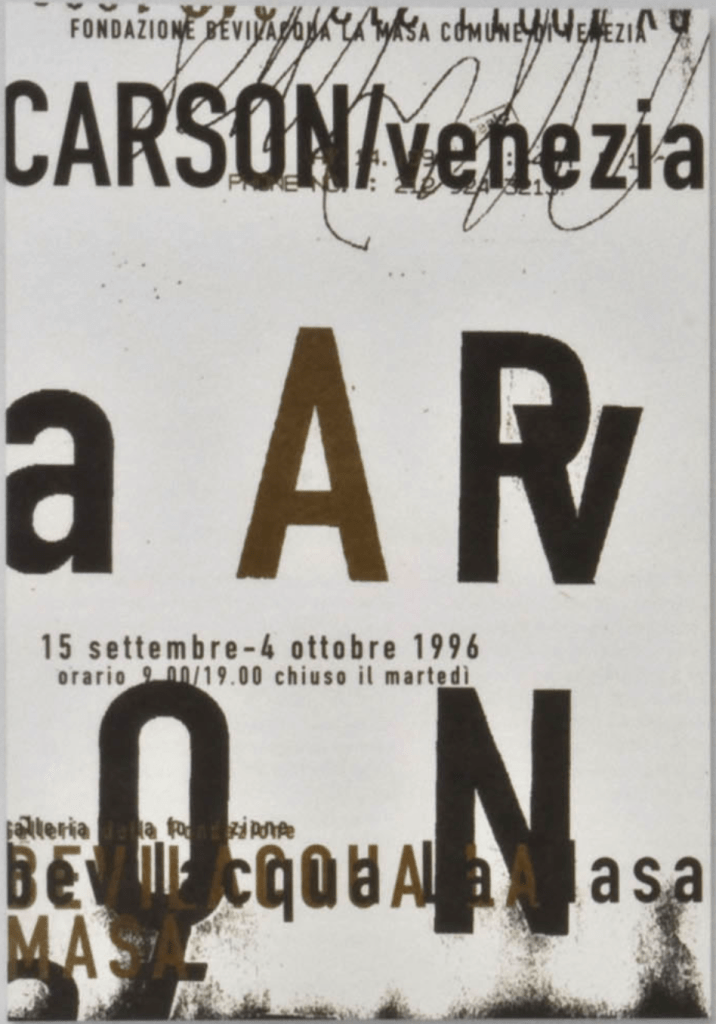
Deconstruction is a fascinating concept both in life and in design. Coming out of World War 2, the United States was looking toward structure and uniformity.
In the 1950s and 1960s, designers began to challenge the rigidity of the grid, experimenting with asymmetrical layouts and unconventional typography. The Swiss design movement, which emphasized simplicity and clarity, played a significant role in this shift. Swiss designers such as Josef Müller-Brockmann and Armin Hofmann used the grid as a starting point but broke it down to create dynamic and unexpected compositions. It is truly fascinating to see how the time period and culture can completely shift a trend in culture as well as art and design.
Linguistic deconstruction in design is a practice that involves breaking down and subverting traditional language and communication systems in order to create more complex and layered forms of meaning. This approach is often used by designers who want to challenge conventional modes of communication and engage viewers in a more critical and reflective way.
Conceptual allusion is a design technique that involves referencing an existing concept, idea, or cultural artifact in a new design context. It can be used to create a sense of familiarity or recognition in the viewer, while also adding layers of meaning and depth to the design. The idea is intriguing for its ability to create visual hierarchy and flow without the use of a structured grid.
 Marc Gonzalez