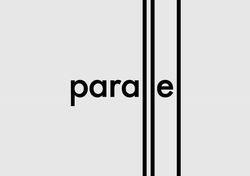
Visual Onomatopoeia: The typeface used and how the text is written can create an effect considered Visual Onomatopoeia. Visual onomatopoeia can be used in various forms of visual communication, such as graphic design, advertising, and art, to evoke a particular emotion or convey meaning through visual representation.
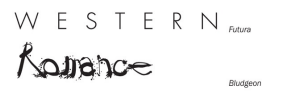
Font can alter the meaning of words: Different fonts provide different tones, emphasis, and connotations to the words themselves. The example above shows how the word Western is written in a future, modern, and sci-fi-type font. This feels out of place for the word Western and would make the reader assume that it is not the same Western we may think because of the chosen font.
Readability and Fluency: Choosing a font can seem futile, but can change the readability and fluency of a design. When the font is appropriate to the type it enhances the reader’s experience. Anticipated fonts help with readability and fluency for a reader because it allows the brain to process the text faster. The font should be familiar and fitting to allow for optimal readability.
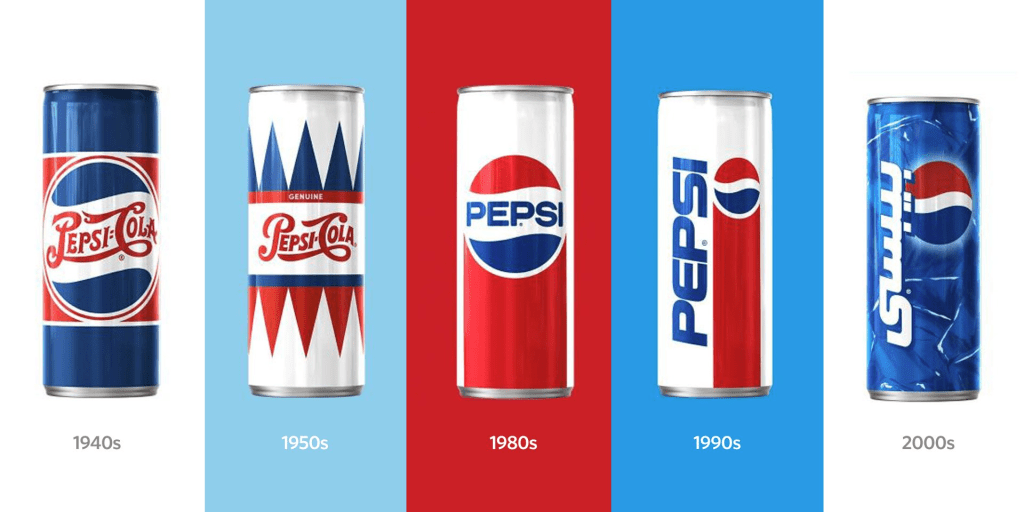
Type can signify a time period: Fonts have become synonymous with cultural and historical time periods. This often goes hand in hand with fonts used in branding. The example above of a Pepsi can through the years emphasizes nostalgia. That 1980s branding was correlated to the beginning of the digital revolution. Many fonts that came out of the digital revolution emphasized pixelized sans-serif typefaces. This has become culturally significant and can now be recognized with the time period when used.
Fonts give words personality: Similar to what I said before, a font has a significant impact on the way a word is read and interpreted. Fonts can provide words with personality through various design elements that evoke different emotions, associations, and connotations. Typeface plays a crucial role, with different typefaces having distinct characteristics that convey specific personality traits. For instance, a bold and blocky typeface may give words a strong and confident personality, while a script font can evoke elegance and sophistication.
Fonts can alter your mood: Fonts have the power to alter your mood through their visual characteristics, which evoke specific emotions and associations. The typeface, weight, and style of a font can all contribute to its emotional resonance, influencing how you feel when you read words expressed in that font.
 Marc Gonzalez